


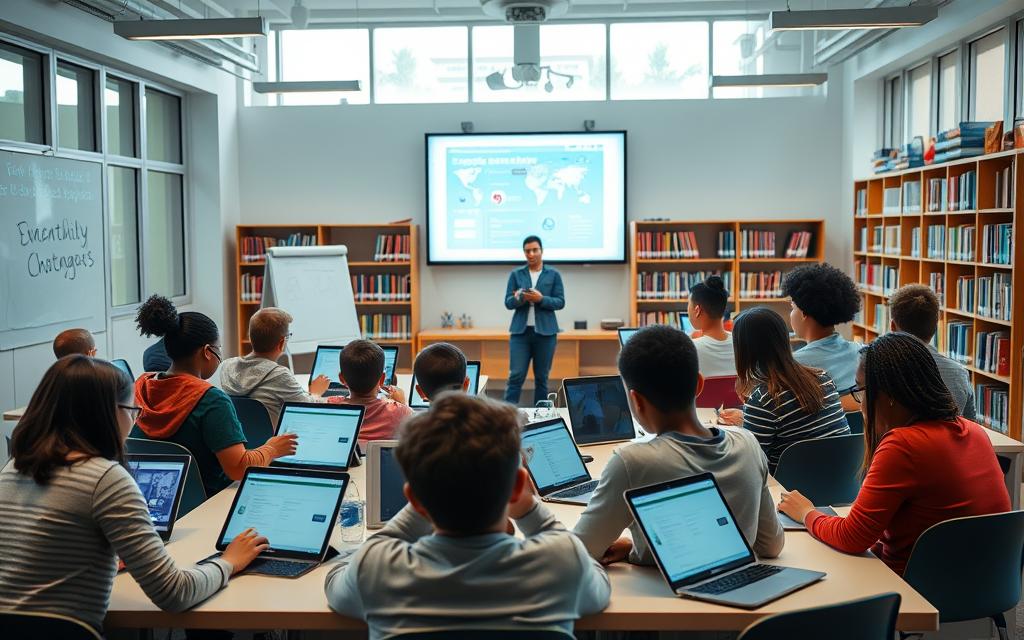
Learning spaces have changed a lot. Now, digital tools fill classrooms, making them the digital classroom of today.
Things like interactive tablets and AI systems are changing how we learn. They help make learning personal and bring students together from all over.
But, using technology in schools is a big topic of discussion. Teachers and parents are talking about the good and bad sides of using screens in class.
This talk about technology in education is key to making learning better for the future. It’s about finding the right balance between new ideas and careful use in schools.
The Evolution of Educational Technology
Educational technology has changed a lot over the last century. It has changed how we learn and teach. This change from simple tools to digital systems is a big step forward in education.
From Chalkboards to Smartboards: A Historical Perspective
Classroom technology started with chalkboards over a century ago. These simple boards were used for writing. Then, in the mid-20th century, whiteboards and overhead projectors came along.
In the 1980s, computers entered schools. They were first used for basic tasks like programming and word processing. By the 1990s, they became key tools for learning. The internet’s arrival in the 1990s sped up this change even more.
Interactive whiteboards replaced chalkboards in the 2000s. These digital boards let teachers add multimedia to lessons. This change from chalk to touch-sensitive screens changed classrooms a lot.
Related Posts:





The Digital Revolution in Education
The 21st century saw a big leap in using technology in schools. Tablets and laptops became common, replacing heavy books. They gave students instant access to information.
Online learning platforms and apps opened up new ways to teach. Teachers could tailor lessons to each student and track progress. This was a big change from the old way of teaching.
Technology use in schools grew fast after 2010. By 2019, almost all classrooms had internet. This made it easy to use cloud-based tools and work together online.
| Time Period | Primary Technology | Educational Impact | Adoption Rate |
|---|---|---|---|
| Pre-1980s | Chalkboards/Textbooks | Teacher-centred instruction | Universal |
| 1980s-1990s | Desktop Computers | Basic digital literacy | 30% of classrooms |
| 2000-2010 | Interactive Whiteboards | Multimedia integration | 60% of classrooms |
| 2010-Present | Tablets/Cloud Platforms | Personalised learning | 85% of classrooms |
Technology keeps changing how we teach and learn. This fast change brings both chances and challenges for teachers and schools around the world.
Why Should We Use Technology in the Classroom: The Proponents’ Perspective
Educational technology supporters argue that digital tools should be part of learning. They say technology makes teaching more dynamic and focuses on the student.
A recent study backs them up. HMH’s 2024 Educator Confidence Report shows 81% of teachers think technology helps students do better. This shows how important technology is becoming in schools.
Enhanced Engagement and Motivation
Digital tools change how students learn. Interactive tools and games make learning fun and engaging. This grabs students’ attention better than old methods.
Tools like Waggle show how this works. They turn hard ideas into fun challenges. This makes learning exciting and boosts student interest.
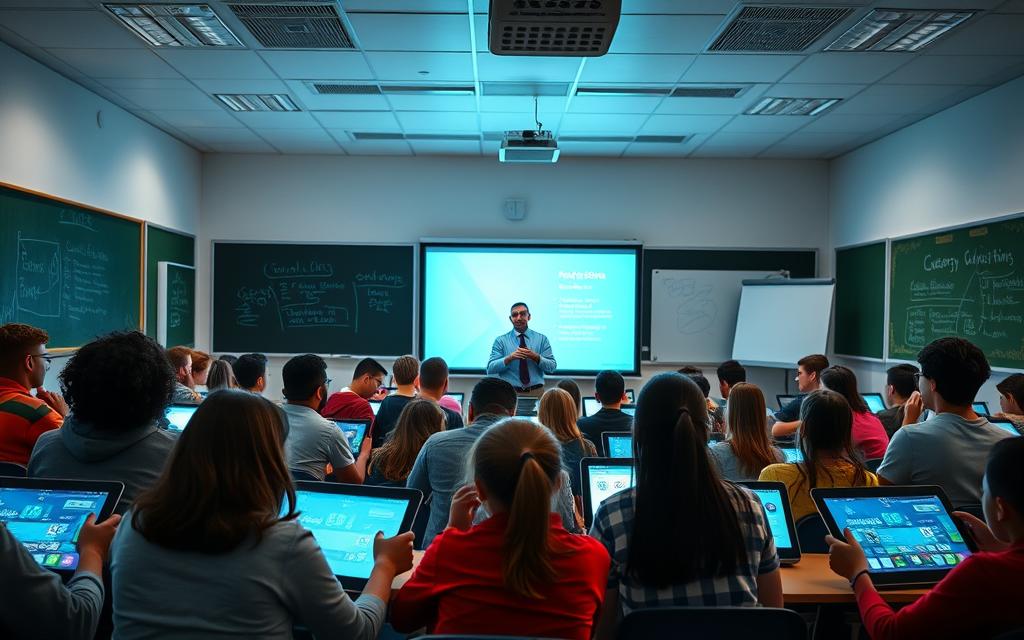
The UNESCO 2023 Global Education Monitoring Report also supports this. It says technology can make learning more fun and engaging worldwide. When students enjoy learning, they do better.
Personalised Learning Experiences
Adaptive learning is a big step forward in education. It adjusts to each student’s needs and pace.
Platforms like HMH’s Personalised Path show how this works. They change the difficulty and how ideas are presented to fit each student. This is hard to do in traditional teaching.
Personalised learning has many benefits:
- Students learn at their own speed
- Those who struggle get help right away
- Advanced students get the right challenges
- Teachers understand each student’s needs better
Preparation for Digital Futures
Technology in the classroom does more than teach subjects. It prepares students for the future. They learn skills they’ll use in school and work.
CompTIA’s studies show that teaching technology early helps with digital skills. Students learn more than just tech. They also get better at thinking, working together, and using information wisely.
This broad skill set helps students succeed in a digital world. They’re ready for school and work, feeling comfortable with technology.
Accessibility and Inclusivity Benefits
Educational technology is a game-changer in today’s classrooms. It helps break down barriers that once stopped students from joining in. With digital tools, every student can do well, no matter their challenges or background.
Assistive Technologies for Special Needs
Digital tools have changed the game for students with different learning needs. Text-to-speech software turns written words into sounds, helping those who struggle to read. Speech recognition lets students with physical disabilities write by speaking.
Closed captions make videos accessible to those who can’t hear. Adjustable font sizes and contrast help students with visual issues. These tools don’t just help; they let students fully join in.
“Technology can become the ‘wings’ that will allow the educational world to fly farther and faster than ever before—if we will allow it.”
Today’s classrooms use many assistive technologies:
- Screen readers that read out digital text
- Alternative input devices for motor skill challenges
- Word prediction software for writing
- Mind mapping tools for visual organisation
Bridging Socioeconomic Gaps
Technology has huge power to level the playing field in education. But, there are big challenges. The digital divide means some students lack internet or devices.
Schools are finding creative ways to solve these problems. Offline learning platforms like HMH Go let students access materials without the internet. Device lending programmes ensure all students have what they need, no matter their family’s wealth.
| Challenge | Solution | Impact |
|---|---|---|
| Unequal device access | School-provided tablets and laptops | Equal hardware availability for all students |
| Unreliable home internet | Offline learning applications | Continuous access to educational materials |
| Technology skill gaps | In-school digital literacy training | Confident use of educational technology |
| Content accessibility | Multi-format learning materials | Customised learning experiences |
These efforts show how smart use of technology can make classrooms truly inclusive. With the right support, digital tools help every student reach their full ability.
Practical Applications and Success Stories
Technology in classrooms has shown real benefits. Teachers across the US see big changes when digital tools are used well. This makes learning better for everyone.
Technology helps teachers and students in many ways. Here are some examples of how it has made a big difference in schools.
Interactive Learning Platforms in Action
Interactive learning platforms have changed how students learn. Systems like HMH Ed offer digital tools for all kinds of learners.
These platforms give teachers easy access to learning materials. They help teachers teach in a way that works for each student. This keeps learning standards high everywhere.
ClassLink is another great example. It makes it easy for students to use different learning tools without logging in again and again. This makes learning smoother and more fun.
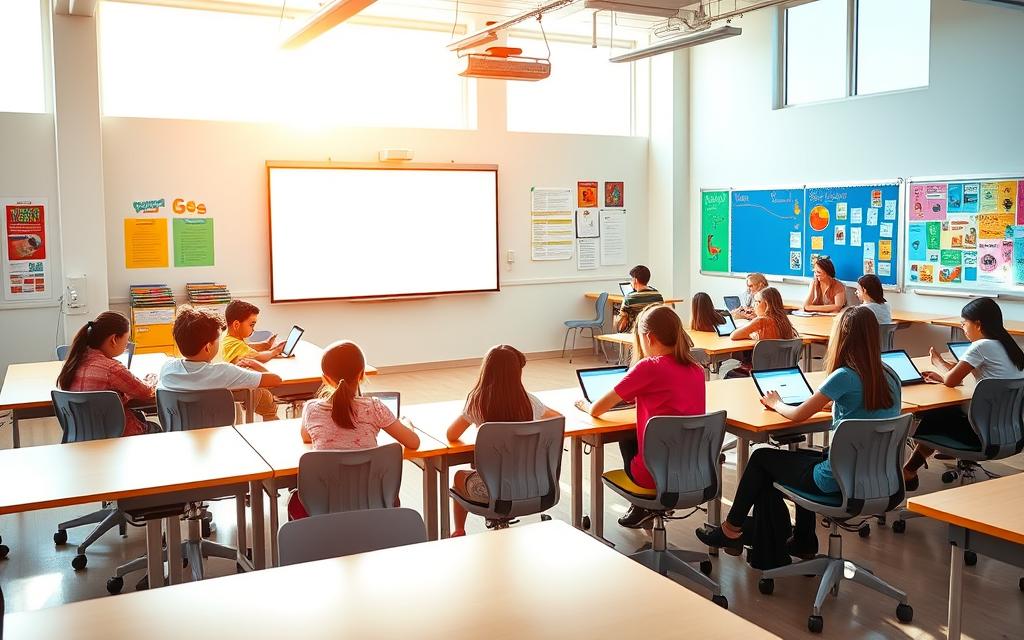
Teachers save a lot of time with these tools. They can focus more on teaching and helping students. This makes it easier for schools to use technology without getting stuck.
Case Studies: Technology-Enhanced Classrooms
Many schools have seen great results from using technology. These stories show how edtech can make a big difference in different places.
In Ohio, a middle school used Writable to fight plagiarism. It worked well, cutting plagiarism by 47% in a year. Students also got better at researching and citing sources.
In cities, technology helps schools that don’t have much. Cloud-based tools give everyone access to top learning materials. This shows how tech can help level the playing field.
Most teachers think technology makes teaching better. They see students more engaged and get better feedback. This helps teachers teach in a way that really works for each student.
| Technology Tool | Primary Function | Documented Impact | Implementation Scale |
|---|---|---|---|
| HMH Ed | Curriculum Delivery | 23% Improvement in Standardised Test Scores | National (5,000+ Schools) |
| ClassLink | Single Sign-On Access | 62% Reduction in Login Issues | Statewide Systems |
| Writable | Writing Assessment | 47% Plagiarism Reduction | District-Level Adoption |
| Clever | Resource Management | 31% Time Saving for Teachers | Regional Networks |
These stories show how technology can help if used right. Schools that train teachers well see the biggest gains. This is key to making technology work for everyone.
Technology has helped students show their true abilities. Digital portfolios and group projects show students can think deeply and work together. This proves technology is helping students get ready for the future.
The Opposition: Concerns About Classroom Technology
Technology has many benefits in education, but there are also big challenges. These issues are important in the debate about using technology in schools.
Digital Distraction and Attention Spans
Devices can take students’ attention away from learning. Notifications, pop-ups, and games make it hard to stay focused.
Studies show that digital distraction hurts how well students remember things. They often switch between school work and social media or games. This makes it hard to really understand what they’re learning.
Many schools try to reduce these distractions:
- They use educational platforms without ads.
- They have focused browsing times during lessons.
- They teach students how to use technology wisely.
Too much screen time is also a worry. Some research says it can affect young brains. Teachers mix technology with hands-on activities to keep learning interesting.
Equity and Access Disparities
Introducing technology can show how rich and poor students are different. Not all students have the same access to devices, internet, or help at home.
This equity issue can make some students fall behind. Those without internet at home might struggle with homework. Others have too much technology.
Common problems include:
- Not enough broadband in rural areas.
- Devices are too expensive for poor families.
- There’s no tech support outside school hours.
Schools try to fix these problems by providing devices, Wi-Fi, and teaching families about technology. This way, all students can use technology, no matter their home situation.
Cognitive Development Considerations
Looking into how technology affects learning, we see a complex mix. It’s important to weigh its impact on students’ minds. This balance is key to good education.

Screen Time and Brain Development
Too much screen time can change young minds in ways we’re not sure about. The American Academy of Pediatrics suggests limits on screen use for kids.
Long hours in front of screens can mess with focus and sleep. But, educational tech used right can be good, unlike just watching videos.
Teachers need to think about these points when using tech:
- Choosing content that’s right for the age
- Using tech in a planned way
- Mixing digital and hands-on learning
- Keeping an eye on how much tech is used
The Value of Traditional Learning Methods
Old-school learning methods are great for the brain. They offer real-life experiences that screens can’t match.
These methods help kids learn to work together and understand others better. They build important skills like empathy and teamwork.
Many teachers believe in mixing both tech and traditional learning. This way, students get the best of both worlds. They learn from tech and also from hands-on activities.
| Learning Approach | Cognitive Benefits | Recommended Usage | Potential Limitations |
|---|---|---|---|
| Digital Technology | Enhanced visual learning, immediate feedback | 30-40% of instructional time | Possible attention fragmentation |
| Traditional Methods | Deep concentration, social skill development | 60-70% of instructional time | Limited multimedia resources |
| Blended Approach | Balanced skill development, flexible learning | Customised based on subject and age | Requires careful planning |
The best learning mix uses both tech and old-school methods. Each has its own strengths. By knowing these, teachers can make learning better for everyone.
Teacher Perspectives and Professional Development
Students often pick up new tech quickly, but teachers need help to use it well. There’s a big gap between how much students and teachers use tech. This shows we need to improve how we teach teachers.
Educator Training and Support Needs
A study by Tyton Partners found a big difference: only 9% of teachers use AI tools often, but 27% of students do. This shows we really need to teach teachers how to use new tech.
Good teacher training is more than just showing them how to use tech. Teachers need to learn how to use tech to improve learning, not just replace old ways.

- Ongoing coaching instead of just one workshop
- Peer mentoring for those who are tech-savvy and those who are not
- Time to plan how to use tech in the classroom
- Help from tech experts when using it in class
Balancing Technology with Teaching Expertise
The best classrooms mix tech with personal touch. HMH shows us that tech should help teachers, not replace them.
With the right support, tech can help teachers focus on students more. This means they can spend more time on personal learning and less on paperwork.
Good educator support helps teachers:
- See what tech can do best
- Keep teaching and mentoring face-to-face
- Think carefully about when to use tech
- Choose the right tools for their teaching style
The goal is to make classrooms where tech helps teaching, not takes over. This way, tech makes learning better, not worse.
Implementation Challenges and Solutions
Bringing technology into schools is not easy. Schools face many challenges that need careful planning. They must find ways to overcome these obstacles.
Infrastructure and Funding Requirements
Technology needs strong infrastructure and a lot of money. Schools need fast internet, new computers, and tech support to work well.
The cost of technology varies a lot. Simple AI tools might cost $25 a month. But, advanced learning systems can cost tens of thousands. Schools often look for grants and partnerships to help with costs.
Offline tools are a good solution for schools with poor internet. These tools let students use digital resources even without internet. This helps schools with limited internet access.
Developing Effective Digital Policies
Creating good digital policies is key for using technology wisely. These policies should cover many aspects of digital learning.
Keeping student data safe is a big worry for teachers and parents. Schools need clear rules for protecting student info and using technology ethically.
Systems to watch over digital tests help stop cheating. Good policies balance watching over students with trusting them. This way, technology can improve learning without losing important values.
| Policy Area | Key Considerations | Implementation Strategies |
|---|---|---|
| Data Privacy | Student information protection | Regular security audits |
| Ethical Use | Appropriate content access | Digital citizenship education |
| Academic Integrity | Cheating prevention | Proctoring software solutions |
| Access Equity | Device availability | School-wide loan programmes |
Keeping policies up to date is vital. As technology changes, so must the rules for using it in schools.
Future Trends in Educational Technology
Educational technology is changing fast, bringing new tools to classrooms. The next few years will see even more advanced tools. These will make learning more personal, fun, and efficient.
Artificial Intelligence and Adaptive Learning
Artificial intelligence is changing how we learn. It uses adaptive learning systems that adjust to each student’s needs. These systems find out what each student knows and doesn’t know, then help them learn more.
AI in education also helps with tasks like grading and talking to parents. This lets teachers focus on teaching and helping students, not just paperwork.
Generative AI is a big step forward. It can make learning materials and help with writing. It’s getting better at understanding what students need to learn.
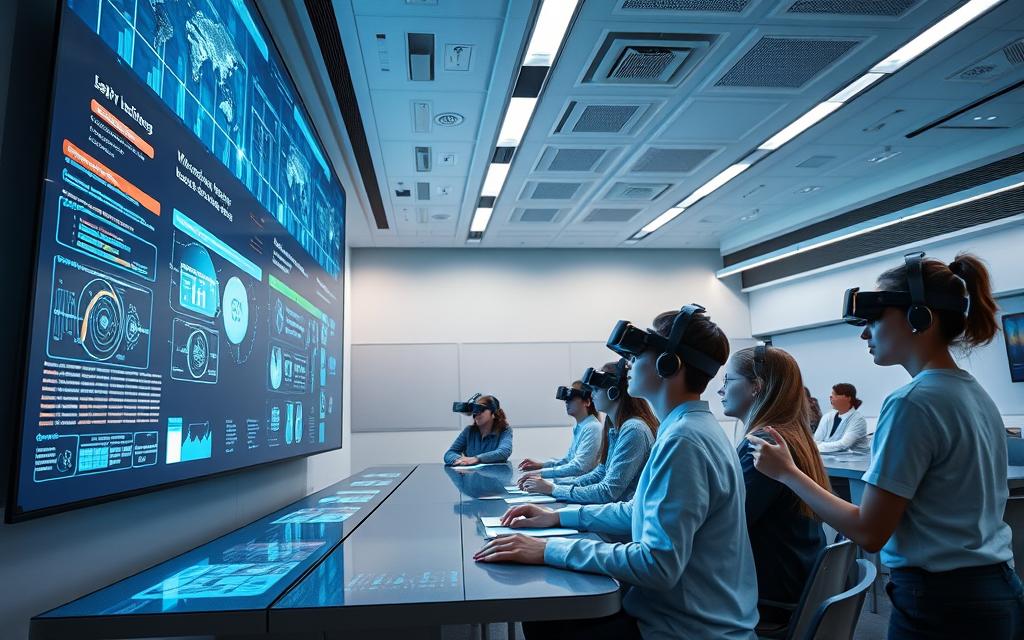
Virtual and Augmented Reality Applications
Virtual and augmented reality make learning feel real. Students can explore places and do experiments safely online. It makes hard ideas easy to remember.
VR and AR are great for learning skills. Medical students practice on virtual patients, and engineering students work with 3D models. It’s like getting hands-on experience without risks.
The future will bring even better mixed reality. It will mix the real and digital worlds in new ways. This technology is getting cheaper and easier to use in schools.
| Technology | Primary Educational Benefits | Implementation Challenges | Future Development Areas |
|---|---|---|---|
| Artificial Intelligence | Personalised learning paths, automated assessment, content generation | Data privacy concerns, teacher training requirements | Emotional recognition, predictive analytics, natural language processing |
| Adaptive Learning Systems | Individualised pace adjustment, targeted skill development | Initial setup complexity, content adaptation needs | Cross-platform integration, improved recommendation algorithms |
| Virtual Reality | Immersive simulations, experiential learning, risk-free experimentation | Hardware costs, possible motion sickness | Haptic feedback integration, multi-user environments |
| Augmented Reality | Contextual information overlay, interactive textbooks, real-world application | Device compatibility issues, content development costs | Wearable technology integration, real-time translation features |
These new technologies are exciting for education. Using AI in education and immersive tech needs careful planning. But, they could really help students learn better and enjoy it more.
Conclusion
The debate on technology in classrooms is complex. Tools like interactive whiteboards and adaptive learning platforms have big benefits. They make learning more engaging and tailored to each student.
But, there are challenges like digital distractions and unequal access. It’s important to use technology wisely. Teachers need training to use these tools well. Schools must also ensure everyone has equal access to technology.
This shows we need a balanced view of technology in schools. It’s about finding the right mix of old and new methods. Technology should enhance learning, not replace it.
Schools should focus on training teachers and making sure everyone has access to technology. With careful planning, technology can change classrooms for the better. It helps both students and teachers, making learning more inclusive and exciting.
FAQ
What are the main benefits of using technology in the classroom?
Technology makes learning fun and interactive. It helps students learn at their own pace with adaptive programmes. It also prepares them for a digital world by teaching important skills.
Platforms like HMH Ed and Clever make learning safe and easy. They also help students with special needs by making learning more accessible.
How does technology support students with special educational needs?
Technology, like text-to-speech software, helps students with hearing or visual impairments. It makes learning more inclusive. This way, all students can take part in class activities.
What concerns are raised about screen time and cognitive development?
Too much screen time can harm young minds. It can affect their focus and brain growth. Experts suggest using technology wisely, alongside traditional learning methods.
How can schools address equity and access disparities in technology use?
Schools can help by giving devices and internet to all students. They can use offline tools like HMH Go. Getting grants for technology is also important.
Creating digital policies that include everyone is key. This ensures all students get to use technology.
What role does teacher training play in successful technology integration?
Teachers need training to use technology well. Programs like HMH’s help them use tech effectively. This way, students get the most out of technology.
How is artificial intelligence shaping the future of education?
AI makes learning personal by adapting to each student. It also helps teachers by doing tasks for them. New AI tools are making teaching more efficient and improving student results.
What practical solutions exist for managing digital distractions in the classroom?
Teachers can use ad blockers and single sign-on systems. They should choose platforms that are easy to use and don’t distract. Tools like Writable’s originality checks help keep students focused.
How do virtual and augmented reality applications benefit learning?
VR and AR make learning fun and interactive. They let students explore complex ideas in a new way. These tools are great for subjects like science and history.
What are the key considerations for developing effective digital policies in schools?
Schools should focus on keeping data safe and teaching ethical use. They need to prevent cheating and ensure everyone has access to technology. Good policies help technology support learning, not hinder it.
Can technology complement traditional learning methods effectively?
Yes, combining tech with traditional methods works well. It teaches digital skills and important social skills. This mix helps students learn in the best way possible.
