


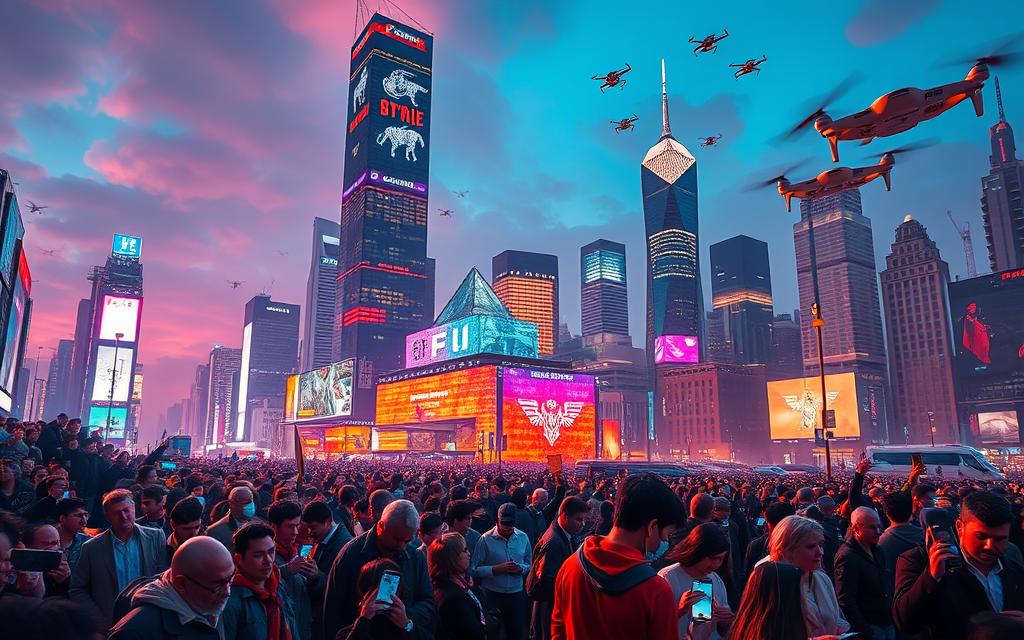
Digital innovations have changed our world in big ways. The link between tech progress and cultural growth is a key highlight of our era.
This digital shift has brought both chances and hurdles in many cultures. Our beliefs, social setups, and daily habits keep changing with tech advancements.
Today’s lifestyle changes show the mix of new ideas and old customs. The digital era is both a blessing and a threat to cultural variety.
This study looks into how tech influences our modern identities and ways of life. We’ll dive into the critical role technology has in our changing cultural scene.
The Digital Revolution: Historical Context and Globalisation
The shift from industrial machines to digital networks is a major change for humanity. It has changed how we communicate and interact with each other worldwide.
From Industrial Society to Information Age
The move from factories to knowledge-based economies was a big change. Old manufacturing centres turned into new innovation spots where information is key.
This change led to new social structures based on knowing how to use digital tools. The information age society values thinking and technical skills more than physical work.
Key Technological Milestones in Cultural Transformation
Several key inventions have sped up our cultural growth. The printing press spread knowledge far and wide. Telecommunications broke down distance barriers.
Related Posts:
- How to Get Into Technology A Beginner's Career Guide
- Haven Technologies New York A Look at the Insurance…

- How Technology Negatively Affects Social Skills The…
- Should We Use Technology in the Classroom The Modern…
- A Technological Innovation in Healthcare…
- Has Technology Helped or Hurt Society Weighing the…
The internet brought global information right to our fingertips. Mobile tech made this connection even more personal, changing our daily lives and what we expect.
The Acceleration of Globalisation Through Digital Connectivity
Digital networks have made time and space smaller. Instant global communication has led to more cultural sharing than ever before.
This globalisation technology makes working together across the world easier. But it also brings issues like losing cultural diversity and unequal digital access.
The digital revolution history is ongoing, changing how we live and interact. Knowing about this journey helps us understand our fast-changing world.
How Has Technology Affected Cultural Communication Patterns
The digital revolution has changed how we talk and connect with others. In just 50 years, we’ve moved from simple talks to complex digital chats across the world.

The Evolution of Language: Emojis, Memes and Digital Expression
Digital platforms have created new ways to communicate. Emojis help us share feelings quickly. Memes mix fun with serious thoughts, making them a big part of our culture.
These changes are more than just trends. They show how we’re learning to express ourselves in new ways. People who grew up with technology can understand complex messages in images and symbols.
Social Media’s Impact on Public Discourse and Personal Connection
Social media has opened up global conversations. It lets us connect with others worldwide, even if we’re far apart. But, it also has its downsides.
Algorithms can make us see only what we agree with. This creates a world where we only hear our own views. Social media is both a blessing and a curse in how we communicate today.
New Social Norms: Digital Etiquette and Online Behaviour Standards
As we all started using digital tools, we created our own rules. We figured out how to talk online, what to share, and how to be polite. These rules shape how we talk to each other, both at work and in our personal lives.
These digital rules are our way of making sense of the online world. As technology keeps changing, so will these norms. They will adapt to fit new platforms and cultures.
Transformation of Work Culture and Professional Environments
The digital revolution has changed work and learning. Old office settings are now replaced by new, tech-based workspaces. These focus on being flexible and connected online.
The Remote Work Revolution and Flexible Working Arrangements
Remote work has become a key part of work life. Companies all over the world now have teams working from anywhere. They see that work can be done without being in one place.
This change has brought new ways of working and living. People can now manage their work and life better. They have more freedom in how they work.
The remote work culture needs new ways to talk and work together. Tools like video calls, project management apps, and cloud systems are now key for daily work.
Gig Economy Platforms and Digital Nomad Lifestyle
Technology has made it easier for people to work in new ways. Freelancers and independent workers can find jobs all over the world through online platforms.
The gig economy impact is big. It’s changing how companies work. They now use experts for short-term projects instead of keeping a big team all the time.
This change has led to the digital nomad lifestyle. People can work while traveling. Thanks to the internet, they can work from anywhere.
Continuous Skill Adaptation and Professional Development
Fast changes in technology mean we must keep learning. To stay in the game, we need to keep our skills up to date.
Learning for life is now a must. Digital tools make it easy to learn new things online. This helps us keep our skills sharp.
Today, learning is a big part of work. Companies focus on helping their workers learn new things. This keeps everyone up to date with the latest tech.
To succeed, we must be open to change and keep growing. Being able to learn and adapt quickly is just as important as having qualifications.
Technology’s Influence on Entertainment and Leisure Activities
Digital innovation has changed how we enjoy entertainment and relax. The lines between media, gaming, and culture have mixed. This has led to new, personal, and interactive forms of fun.
This change shows how much technology affects our culture today. Our choices in entertainment show who we are in the digital world.
Streaming Services and On-Demand Content Consumption
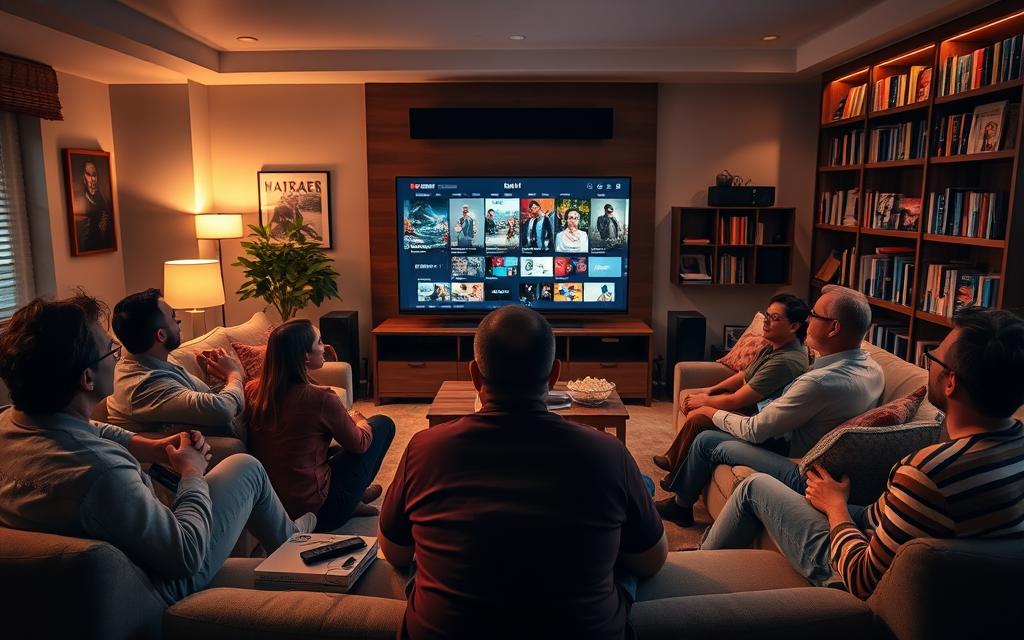
The streaming culture impact has changed how we watch media. Services like Netflix, Disney+, and Amazon Prime offer instant access. This has moved entertainment from set times to whenever we want.
We can now get information and fun instantly. TV shows have changed, with shorter, more varied content.
Instead of TV channels, we scroll through streaming options. This has led to new ways of watching and new expectations for content.
Gaming Culture Evolution and Esports Phenomenon
The esports phenomenon is a big part of technology’s impact. Competitive gaming has grown from a small hobby to a big entertainment choice.
Big tournaments fill stadiums and draw millions online. Professional gamers are now famous, and gaming is a place to meet friends.
Gaming has opened up new jobs and ways to enjoy entertainment. It keeps changing culture and how we interact with each other.
Algorithmic Curation of Cultural Preferences and Tastes
Algorithmic content curation shapes our entertainment in big ways. Sites like Spotify and YouTube use smart algorithms to suggest content.
These systems look at what we like to make recommendations just for us. This makes our entertainment more fun but also affects what we see and discover.
Finding the right mix of personalisation and new discoveries is hard. These algorithms decide what gets seen and valued in culture.
Entertainment platforms keep improving their suggestions. The role of these algorithms in shaping culture will only grow as tech gets better.
Impact on Personal Relationships and Social Structures
Digital technologies have changed how we connect with others. They offer new chances but also bring challenges. These tools help us share cultures and change how we relate to each other, no matter where we are.
Digital Dating Platforms and Modern Relationship Formation
Dating has changed a lot with digital platforms. Now, people meet and start relationships in new ways, beyond their usual circles.
Dating apps use smart algorithms to find matches. They look at what people like and how they act. This is a big change in how we find partners.
The digital dating culture lets us meet strangers online. This opens up new chances but also makes us think about safety and real connections.
Maintaining Long-Distance Connections Through Technology
Technology has made it easier to stay close, even when we’re far apart. Video calls, messages, and social media let us connect in real time.
These tools help in many areas, like military relationships and family ties across countries. The quality of long-distance relationships technology keeps getting better, making shared moments more vivid.
Even if families are apart, they can stay close through digital means. Grandparents can see their grandkids grow up on video calls. And partners can stay close, even if they’re working far away.
The Social Paradox: Hyper-connectivity and Personal Isolation
Technology has made us more connected than ever. Yet, many feel lonely and isolated. This is the social connectivity paradox.
People might have lots of online friends but few close ones. Digital chats can replace real talks, making us feel less connected. This paradox is complex.
Too much screen time can make us less skilled in real-life social situations. It can also make us anxious. The tools meant to bring us together can sometimes pull us apart if we don’t balance them with real-life interactions.
| Aspect of Relationships | Pre-Digital Era | Current Digital Landscape | Impact Assessment |
|---|---|---|---|
| Relationship Initiation | Local social circles, chance meetings | Algorithmic matching, global reach | Expanded opportunities, changed norms |
| Long-Distance Maintenance | Letters, expensive phone calls | Free video calls, instant messaging | Revolutionised connection quality |
| Social Network Size | Limited to physical community | Global digital networks | Increased quantity, variable quality |
| Communication Frequency | Scheduled, limited by distance | Constant, immediate access | Increased contact, potentially overwhelming |
| Emotional Intimacy | Built through shared physical experiences | Developed through digital sharing | Different pathways, similar outcomes |
Technology has changed relationships in a big way. It’s important to understand both the good and the bad sides of these changes. This helps us navigate this new world of social connections better.
Cultural Identity and Community Formation in Digital Spaces
Digital landscapes have changed how we see and build cultural identities. They offer new ways to connect across the world. The internet is a place where old traditions meet new global ideas in exciting ways.
Globalisation Effects Versus Cultural Preservation Efforts
Technology connects us all, showing a unique mix of cultures. Yet, it also helps groups keep their traditions alive. Indigenous groups use social media to share their heritage with the world while staying true to themselves.
This effort to save cultural heritage is a strong counter to the loss of diversity. Local groups use tech to record languages, share customs, and create digital collections. These efforts protect their culture for the future.
Online Communities and Digital Subculture Development
The internet is where new subcultures grow. Special interests find global homes online. This online communities development creates spaces where people can share and grow together.
These digital groups have their own languages, values, and rules. From gamers to professionals, these spaces let people explore their identities freely.
Digital Self-Expression and Personal Branding Culture
Social media has turned self-expression into an art. People carefully show their digital cultural identity online. This has led to a personal branding culture where managing your online image is key.
Influencer culture shows how personal branding is both creative and business. People see their online presence as part of their professional and social life. They work hard to keep their online image consistent across different platforms.
This new world challenges old ideas of being true to oneself. Yet, it also opens doors for creative and professional growth in the digital world.
Education Transformation and Knowledge Access Revolution
Digital innovation has changed education in big ways. It has made learning available to people all over the world. The old classroom model is now a place where technology helps us learn in new ways.
This change is one of the biggest impacts of technology. It has changed how we see, get, and use education.
Democratisation of Learning Through Digital Resources
Platforms like Coursera, Canvas, and Google Classroom have changed how we learn. They offer top university courses to anyone, anywhere. This is thanks to the internet.
Now, people from all walks of life can learn new skills. This has made learning fairer. It shows that talent and hard work are more important than money.
Changing Pedagogical Approaches and Classroom Technology
Teachers now use new tools like interactive whiteboards and learning systems. These help make learning more personal. They also make it easier for students to work together and get feedback right away.
There are new ways of teaching, like flipped classrooms. Students learn from videos at home and practice in class. This way, they learn to think critically and solve problems.
Lifelong Learning as Cultural Norm in Digital Society
In today’s fast-changing world, learning new skills is key. People keep learning to stay ahead in their careers.
Learning is now seen as a lifelong journey. It’s not just for school. This change has made it okay to change careers. It celebrates the idea of always learning and growing.
| Aspect | Traditional Education | Digital Transformation | Impact Level |
|---|---|---|---|
| Accessibility | Geographically limited | Global reach | High |
| Cost Structure | High tuition fees | Free to affordable options | High |
| Learning Pace | Fixed schedule | Self-directed timing | Medium |
| Content Delivery | Standardised curriculum | Personalised pathways | High |
| Skill Relevance | Slow to update | Real-time industry alignment | High |
The digital education transformation keeps getting better. New tech like AI and VR is making learning even more real. This ensures education stays relevant and opens up new chances for growth.
Health and Wellness Culture in the Technological Age
Technology has changed how we think about health. It’s moved from just treating sickness to focusing on staying well. Now, we use digital tools to manage our health every day.
Digital Health Monitoring and Self-Care Technologies
Wearable devices and apps have changed health tracking. Fitness trackers and health apps give us real-time health data. This lets us take charge of our health.
These tools have made us focus on preventing health problems. We now track health metrics that were once only seen in hospitals. This change shows we’re moving towards a more proactive approach to health.

Telemedicine and Improved Healthcare Access
Virtual doctor visits have made healthcare more accessible. They cut down on waiting times and remove distance barriers. Now, you can get medical advice without leaving your house.
Studies by the National Center for Biotechnology Information show AI is saving lives. Blockchain is also making services more available and easier to use with AI help.
Thanks to technology, we expect quick and easy healthcare. The idea of virtual doctor visits is no longer seen as strange. Quality and reliability have made it a normal part of healthcare.
Wellness Technology Integration into Daily Lifestyles
Technology has become a big part of our daily lives. Smart home devices and health apps are common. They help us stay healthy all the time, not just when we’re sick.
Sharing health data online has become normal. We talk about our fitness goals and health achievements online. This shows how technology has made health a big part of our lives.
Now, we have digital detoxes and use technology to stay mindful. We make choices based on health data. This shows we’re finding a good balance between technology and well-being.
Economic Shifts and Consumer Behaviour Transformation
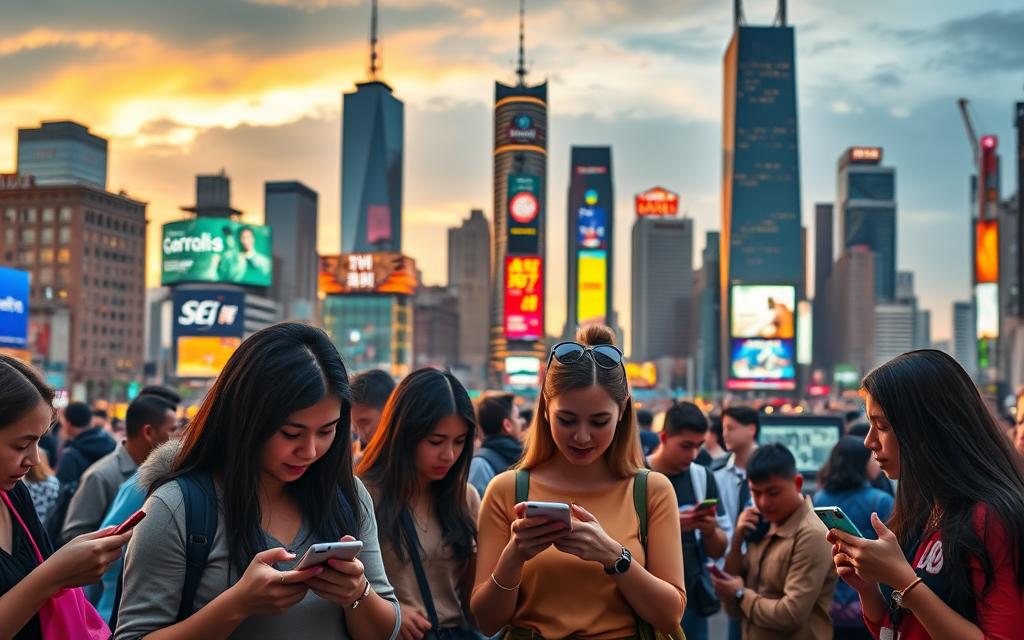
Digital technologies have changed how we shop and live, making new markets and showing old gaps. The digital divide affects who gets to see and share culture, changing power and tradition.
E-commerce Revolution and Changing Shopping Habits
Online shopping has turned buying into a digital journey. Now, people want fast access to products worldwide, with quick delivery becoming common.
This change has brought new traditions, like watching unboxing videos. The e-commerce cultural impact goes beyond just speed, changing how we see buying and owning things.
Old shops have started using digital tech, mixing online and offline shopping.
Influencer Culture and Digital Marketing Evolution
Social media stars have become key in shaping what we like. This influencer marketing culture has made brand promotion fairer and opened new jobs.
Brands now focus on building real connections, working with influencers who share their values. This way, they reach people who trust influencers more than ads.
The table below shows how old and new marketing differ:
| Aspect | Traditional Marketing | Digital Marketing |
|---|---|---|
| Primary Channel | Television/Print | Social Media |
| Audience Reach | Broad but impersonal | Targeted and engaged |
| Measurement | Estimated impressions | Precise analytics |
| Cost Structure | High fixed costs | Performance-based |
| Engagement Level | One-way communication | Interactive dialogue |
The Experience Economy and Digital Consumption Patterns
Today, people value experiences more than things, boosting the experience economy. Digital platforms help by giving access to services, not just products.
Services like streaming, ride-sharing, and subscription boxes show this new way of consuming. These digital consumption patterns focus on variety and flexibility, not keeping things forever.
This change shows a shift in values, towards less materialism and more freedom. Young people, in particular, prefer models that fit their mobile and eco-friendly lifestyles.
The evolution of tech and changing consumer wants will keep shaping our shopping habits.
Conclusion
Technology has changed our world a lot, bringing both good and bad. It connects us globally and enriches our culture. But, it also makes things more alike and creates gaps in fairness.
Studies show how technology affects us in real life. They show we need to use it wisely. This is key to keeping our cultures alive and growing.
The future of our digital world is uncertain. We must find a way to keep our cultures diverse while moving forward. It’s important to think about privacy and fairness as we grow.
Technology and culture go hand in hand. We need to use technology in a way that respects our cultures. This way, we can have a future where new ideas and old traditions work together.
In conclusion, we must think carefully about how technology affects us. We should aim for a world where everyone has a say and is treated fairly. This is the only way to ensure a bright digital future for all.
