

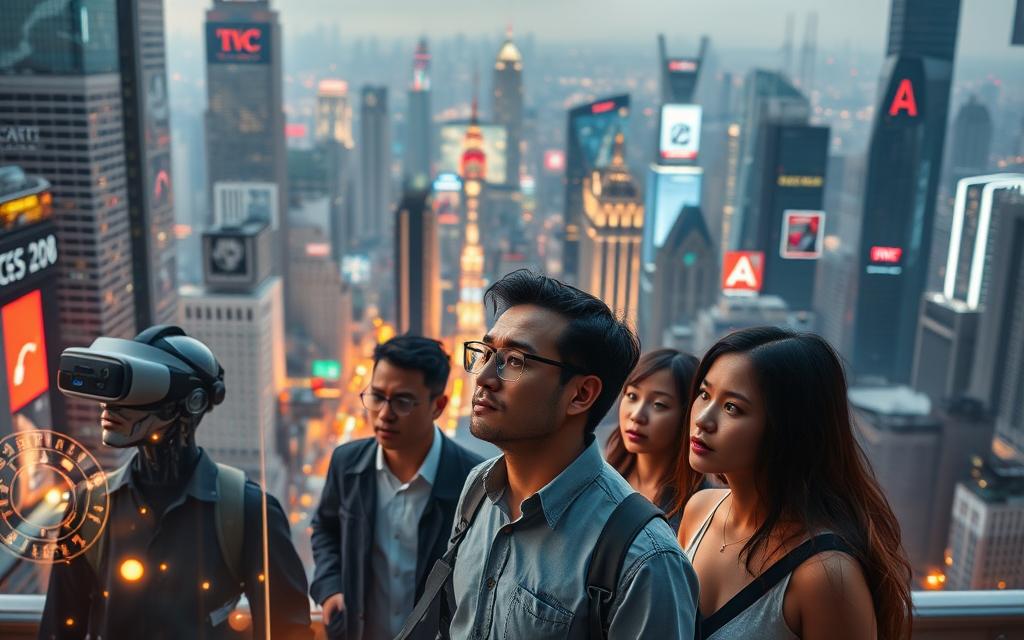
Our world today is grappling with a big question. Is technology making our lives better or worse? This debate is happening everywhere, in communities and countries.
Recent studies show a close split in opinions. About half think the good things about digital life are more important. Yet, a third fear the bad will win out in the next ten years.
Even those who are hopeful have worries. They are concerned about how technology affects us personally and as a society. This shows we need to look at both sides of technology’s coin.
This article will dive into the history of technology, its benefits, and its downsides. We’ll see how innovation changes our lives, keeping a balanced view.
Our goal is to shed light on this important issue. We want to help you understand the impact of technology on our world.
The Evolution of Technology in Modern Society
Technology has come a long way in human history. It has changed how we live, work, and connect with each other. From simple tools to complex digital systems, it has reshaped our world.
The speed of new technology has grown fast. It has turned science fiction into our daily lives. But it also brings new challenges to society.
Historical Context and Milestones
The timeline of technology shows our incredible creativity. The printing press and telegraph started mass communication. The 20th century saw radio, TV, and the personal computer.
Related Posts:
- How Technology Has Affected Culture Shaping Modern…

- How Technology Negatively Affects Social Skills The…

- Should We Use Technology in the Classroom The Modern…

- How to Get Into Technology A Beginner's Career Guide
- Haven Technologies New York A Look at the Insurance…

- How New Technology Helped Great Plains Farmers Steel…

Some key moments in history are:
- The birth of the internet (1960s-1980s)
- The World Wide Web’s public debut (1991)
- Mobile phone commercialization (1980s-1990s)
- Smartphone revolution (2007 onward)
Many sci-fi dreams have come true. But, these innovations have sometimes been used in ways we didn’t expect. They were meant to help us, but are now used for control and spying.
Current Technological Landscape
Today, technology is more integrated than ever. By 2022, about 66% of people worldwide used the internet. This shows how digital technology has spread across the globe.
Now, we see many trends:
- Artificial intelligence and machine learning systems
- Internet of Things (IoT) connectivity
- Advanced social media platforms
- Cloud computing infrastructure
This fast pace of digitisation has brought us closer together. But it also has its downsides. Social media, for example, has changed how we communicate and interact.
Technologies like AI chatbots and dating apps show how advanced and integrated our innovations are. They change how we interact but also raise big questions about privacy and ethics.
Positive Impacts of Technology on Society
Technology has changed how we live, work, and connect. It has brought many benefits to our lives. From keeping in touch with family far away to saving lives with new medical discoveries, technology’s good side is huge.
Enhanced Communication and Connectivity
Digital platforms have broken down barriers, making the world smaller. During the pandemic, tools like Zoom became very popular. They helped keep people connected, both personally and professionally.
Online dating has changed how we meet people. It uses algorithms to find matches. For those with disabilities or social anxiety, technology offers a way to connect without barriers. The internet has made global connection a part of our daily lives.
Advances in Healthcare and Medicine
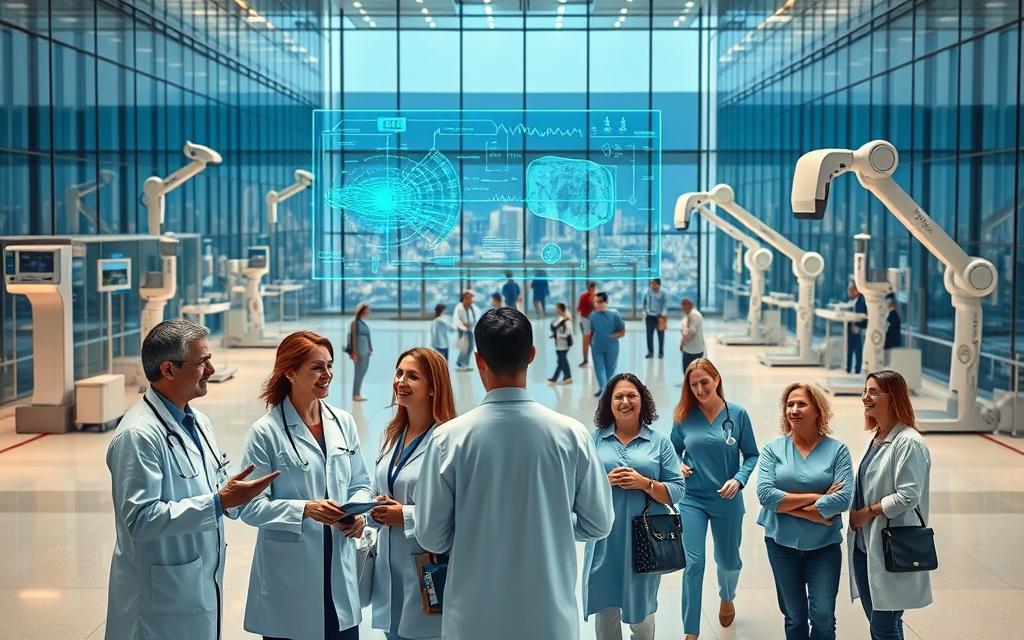
Modern healthcare technology has changed patient care and medical research. Telemedicine lets doctors see patients from afar, helping those in remote areas. Wearable devices track health in real-time, helping prevent problems.
Artificial intelligence helps find diseases early and accurately. It also helps researchers understand complex data, speeding up the discovery of new treatments. These advances improve health outcomes and quality of life for people everywhere.
Economic Growth and Efficiency
Digital transformation has made industries more productive. Automation makes manufacturing better and reduces mistakes. Cloud computing lets businesses grow without big costs.
E-commerce has opened new markets for small businesses. Digital payments make transactions faster and safer. These changes help the economy grow, but we must also think about economic disparities in access to these tools.
Access to Information and Education
The internet has made knowledge available to all. Online learning resources offer education to anyone, anywhere. MOOCs provide high-quality education for little or no cost.
Digital libraries give access to many books and resources. Interactive learning platforms tailor education to each student. This access to information empowers people and communities by sharing knowledge.
Negative Impacts of Technology on Society
Technology has brought many benefits, but it also has big challenges. These challenges affect many parts of our lives. We need to think carefully about these issues as we live in a more digital world.
Privacy Concerns and Data Security
The digital age has raised big privacy concerns for everyone. Our online actions create a lot of personal data. Companies and governments collect and study this data a lot.
Experts talk about the dangers of surveillance capitalism. They say data collection is used to control our behaviour. This affects our shopping and political views.
Data breaches are common, exposing our personal info. This can lead to identity theft and financial fraud. It’s a big problem for those affected.
Social Isolation and Mental Health Effects
Technology connects us worldwide, but it can also make us feel alone. Many feel lonely, even with lots of online friends. This is a big issue in today’s mental health technology world.
Being always connected can cause attention problems, experts say. The constant alerts and info make it hard to focus. It’s hard to do deep work or have meaningful talks.
Technology addiction is now a real issue. Countries like South Korea have special treatment for it. Vicki Davis says quitting devices can cause withdrawal symptoms, like with drugs.
Cyberbullying is a big problem for young and old. 25% of adults have been bullied online. This can lead to serious mental health issues, like depression and suicidal thoughts.
Economic Disparities and Job Displacement
Automation and AI are changing jobs all over the world. They create new jobs but also replace old ones. This makes some people richer and others poorer.
The table below shows how different jobs are affected by technology:
| Industry Sector | Automation Impact Level | Jobs Created | Jobs Displaced |
|---|---|---|---|
| Manufacturing | High | 12,000 | 85,000 |
| Retail | Medium | 35,000 | 62,000 |
| Healthcare | Low-Medium | 78,000 | 15,000 |
| Transportation | High | 8,000 | 45,000 |
This change affects middle-skill workers the most. It’s hard for them to keep up with new technology. Training programs often can’t keep up with the fast pace of change.
Environmental Consequences
Technology’s impact on the environment is huge. It includes the resources needed to make devices and the pollution they cause. This is a big problem.
E-waste is growing fast. It contains harmful materials that can pollute soil and water. This is a serious issue.
Data centres use a lot of energy. They contribute to carbon emissions. Even though they’re getting more efficient, their impact is growing.
Upgrading devices often creates waste. People replace working devices for new features. This is bad for the environment.
Technology in Specific Domains: A Closer Look
Technology has a big impact on society, but it’s even more noticeable in certain areas. Education and the workplace have seen big changes. These changes bring both opportunities and challenges that need to be looked at closely.
Education Sector: Digital Classrooms and Resources
The move to digital education has changed learning everywhere. Now, classrooms have interactive tools and online resources. Students can learn from anywhere and work with others all over the world.
But, there are also worries. Studies show that digital distractions can hurt focus and writing skills. The mix of fun and learning online can make it hard to stay focused on schoolwork.
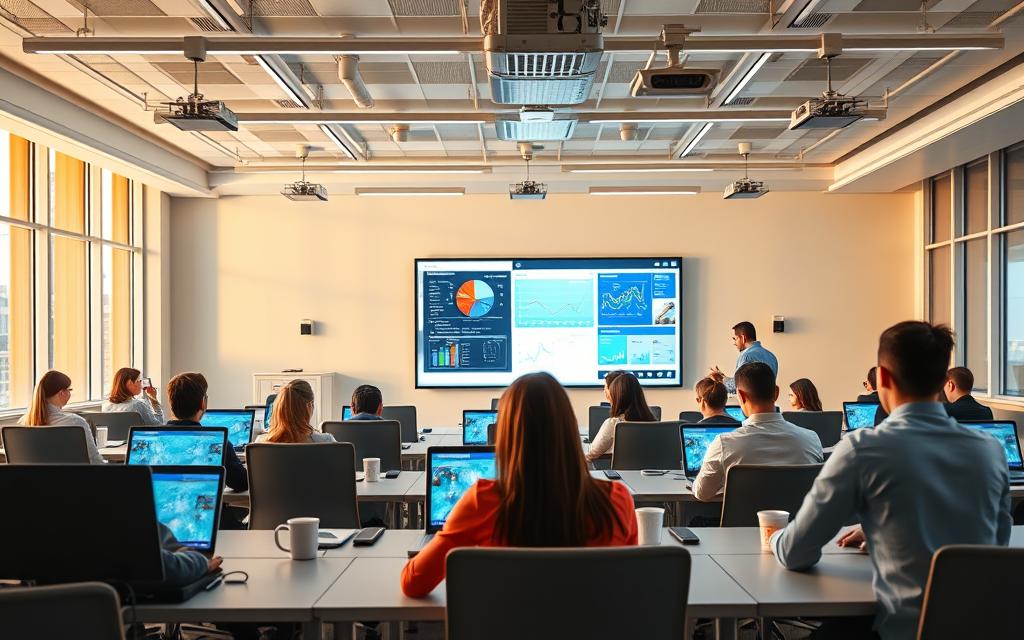
It’s important to find the right balance. Technology can help us learn a lot, but it must not replace basic skills. We need to make sure it helps us grow and learn deeply.
Workplace Transformation: Remote Work and Automation
The workplace has changed a lot, thanks to remote work. The pandemic made this change happen fast. Now, more work is done online, and offices are changing.
Remote work tools keep things running smoothly and let people work better. Video calls and online tools are key for teams working from different places. Companies save money and can find the best talent, no matter where they are.
But, new jobs are being created by automation. Machines do simple tasks, and AI helps with big decisions. This makes work more efficient but also means some jobs might disappear.
According to Pew Research Center analysis, these changes will keep happening until 2035. We need to figure out how to work together with technology in the future.
Technology is a double-edged sword in education and work. It brings great benefits but also new problems. We must be careful and adapt to these changes.
Balancing the Scales: Weighing the Overall Impact
The digital age has brought us a mix of good and bad. We must look at both sides of technology’s coin. This means seeing the benefits and the challenges it brings.
Media expert Douglas Rushkoff points out a key issue. He says big companies often focus on making money, not on what’s good for us. Facebook and Google, for example, make money by keeping us hooked. This can harm us, even though these sites connect us.
It’s also important to think about how technology affects our planet. Making devices uses a lot of resources and creates waste. Data centres need a lot of energy, which adds to pollution.
Technology makes life easier but can also take away our freedom. It automates tasks and blurs the line between work and personal time. This is a big challenge in how we use technology.
To fix this, we need rules and to be smart about how we use technology. Governments should help innovation but also protect us. We must learn to use technology wisely to enjoy its benefits without the downsides.
The table below shows the good and bad sides of technology. It helps us see the balance:
| Positive Impacts | Negative Consequences | Mitigation Strategies |
|---|---|---|
| Global connectivity and communication | Privacy erosion and data security risks | Stronger data protection regulations |
| Healthcare advancements and access | Mental health challenges from overuse | Digital wellness education programmes |
| Educational resource availability | Economic displacement through automation | Workforce retraining initiatives |
| Economic efficiency gains | Environmental impact from production | Sustainable technology development |
How technology affects us depends on how we use it. The same tech that causes problems can also solve them. For example, it can help with clean energy and learning.
We all have a role in making technology better. We need to talk about the good and bad of technology. This way, we can make sure it helps us without hurting us or the planet.
Conclusion
Technology has a big impact on society, showing both good and bad sides. It has changed how we talk, get medical care, and work. But, it also brings risks to our privacy, mental health, and jobs.
We need to think carefully before using new tech. Laws are changing to protect our data and help balance the economy. This is because of automation and AI.
How we use technology matters a lot. We can’t just ignore it or accept it without question. The best way is to use tech wisely, keeping our human connections strong.
As tech keeps getting better, finding a balance is more important than ever. This balance is key for progress in our society.